Virtual Office vs Business Address: What's the Difference?
In today’s digital landscape, businesses have more options than ever when it comes to establishing their presence. With the rise of remote work and evolving workplace dynamics, two popular choices have emerged: virtual offices and business addresses. While they may seem similar at first glance, understanding the differences between them is crucial for entrepreneurs and companies looking to optimize their operations and enhance their professional image. In this article, we will explore the key distinctions, benefits, and ideal use cases for each option.
What is a Virtual Office?
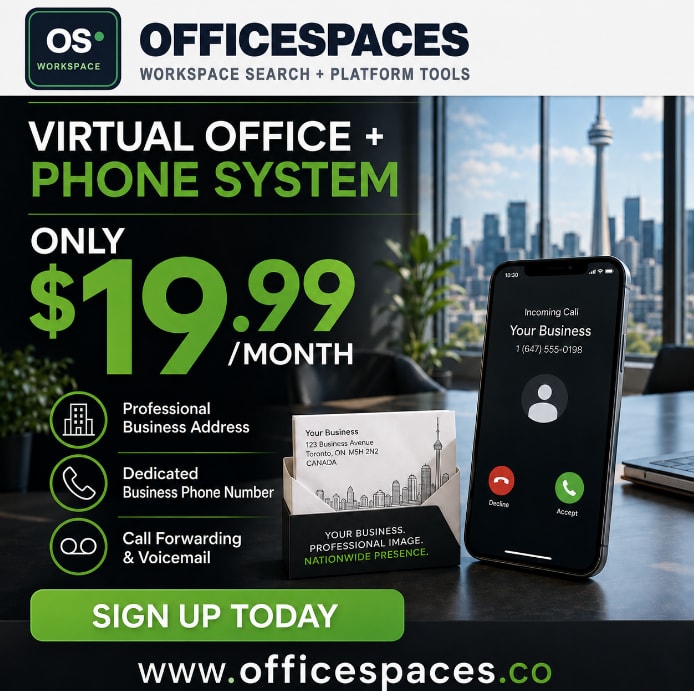
A virtual office provides businesses with a range of services that allow them to operate without a physical office space. This concept is designed to cater to remote workers, freelancers, and small businesses that seek flexibility and cost savings. Virtual offices typically offer:
- Business Address: A prestigious location where your business can be registered.
- Mail Handling: Reception and forwarding services for your business correspondence.
- Phone Services: Dedicated phone lines and voicemail services that can be managed remotely.
- Meeting Rooms: Access to physical meeting spaces on an as-needed basis.
- Administrative Support: Services like receptionists or virtual assistants to manage daily tasks.
Benefits of a Virtual Office
Virtual offices offer numerous advantages for modern businesses:
- Cost-Effective: Save on overhead costs associated with renting physical office space.
- Flexibility: Scale your operations up or down without the constraints of a long-term lease.
- Professional Image: Maintain a credible business presence with a prestigious address and professional services.
- Work-Life Balance: Facilitate a flexible working environment for employees, leading to improved morale and productivity.
What is a Business Address?
A business address, on the other hand, is simply a physical location where a business is registered. This can be a home address, a rented office space, or a commercial location. While a business address does not come with the comprehensive services of a virtual office, it serves several essential purposes:
- Legal Registration: Required for official business documents, licenses, and permits.
- Public Perception: Can influence how clients perceive your business based on the location.
- Mail Delivery: A physical location for receiving business correspondence.
Benefits of a Business Address
Opting for a business address can also provide several benefits:
- Stability: A fixed location can create a sense of permanence and reliability for clients.
- Simplicity: Easier for businesses that require a straightforward address for registration and communication.
- Local Presence: Having a local address can help businesses attract clients in a specific area.
Key Differences Between a Virtual Office and a Business Address
While both options provide valuable resources for businesses, there are distinct differences that can impact your decision:
- Services Offered: A virtual office includes a suite of services beyond just a mailing address, while a business address is primarily focused on the physical location.
- Cost: Virtual offices can be more expensive due to the additional services provided, whereas a business address may involve lower costs.
- Flexibility: Virtual offices offer greater flexibility, allowing businesses to adapt to changing needs without being tied to a physical location.
- Impression: A virtual office can enhance your professional image with a prestigious address and support services, while a business address may not convey the same level of professionalism.
Choosing the Right Option for Your Business
The choice between a virtual office and a business address ultimately depends on your specific business needs, goals, and budget. Consider the following factors when making your decision:
- Nature of Your Business: If you frequently meet clients or need a professional presence, a virtual office may be more suitable.
- Budget Constraints: Assess your financial resources and determine which option aligns with your budget.
- Future Growth: Consider your long-term plans and whether you anticipate needing more services or flexibility as your business expands.
Conclusion
Understanding the differences between a virtual office and a business address is essential for making informed decisions about your company’s structure and presence. A virtual office can provide a comprehensive solution for businesses seeking flexibility and a professional image, while a business address offers simplicity and stability. Evaluate your unique requirements to determine which option best aligns with your business goals.
If you’re ready to elevate your business presence, explore the virtual office solutions offered by Office Spaces. Our comprehensive services can help you establish a professional image while enjoying the flexibility you need. Contact us today to learn more!